After a US Government Directive: Anthropic Suspends Access to Claude Fable 5 and Mythos 5
Anthropic disabled access to Claude Fable 5 and Mythos 5 for all users to comply with a US government export control directive, just three days after launch, while objecting to the decision.
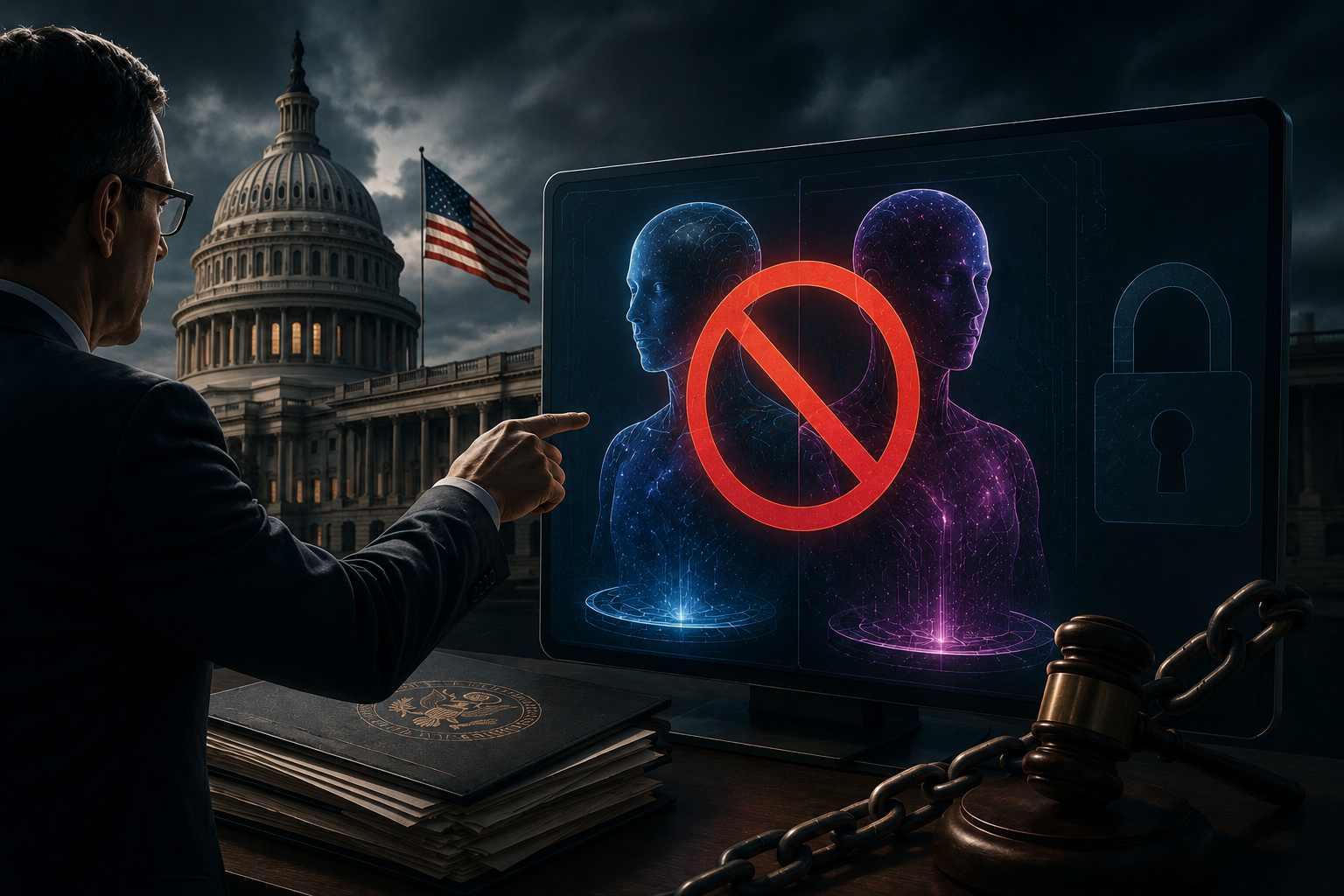
In a sudden development considered a precedent in the AI industry, Anthropic announced on the evening of Friday, June 12, 2026, that it had disabled access to its latest models, Claude Fable 5 and Claude Mythos 5, for all users, complying with an export control directive it received from the US government based on national security authorities. Strikingly, the two models had launched just three days earlier, on June 9.
What Exactly Happened?
According to Anthropic's official statement, the company received the directive at 5:21 p.m. US Eastern Time. The order required suspending access by "any foreign national" to the two models, whether inside or outside the United States, including non-American Anthropic employees. Because ensuring full compliance with this condition requires blocking an entire category of users, the company was forced to abruptly disable the two models for all its customers without exception. It confirmed that access to its other models was not affected at all, and the Claude page displayed a message saying "Fable 5 is temporarily unavailable."
What Was the Reason for the Directive?
The government's letter did not include specific details about the source of the security concern. But Anthropic's understanding, as stated in its announcement, is that the government believes it became aware of a method to bypass Fable 5's safeguards — a potential "jailbreak." Reports indicated the letter came from Commerce Secretary Howard Lutnick, and that the order falls under restrictions on transferring certain technologies to foreign nationals.
Anthropic's Objection
Anthropic expressed its compliance with the legal directive, but openly declared its disagreement with it. The company argued that finding a narrow, limited jailbreak vulnerability should not be a reason to recall a commercial model deployed to hundreds of millions of users. It warned that applying this standard industry-wide would "essentially halt all new model deployments for all frontier model providers." It added that the vulnerability in question, in its assessment, is minor and easily discoverable in other models, and that no tester had yet found a universal jailbreak.
In a position of principle, the company said it believes the government should have the ability to block unsafe deployments, but within "a statutory process that is transparent, fair, clear, and grounded in technical facts," and that this action does not adhere to those principles. It apologized to its customers for the disruption, describing the matter as a "misunderstanding" it is working to resolve to restore access as soon as possible.
Why Is This Event a Precedent?
This appears to be the first time a leading AI company has taken a publicly deployed model offline due to intervention from the federal government. Its significance lies in drawing a new line in the relationship between the state and AI companies: when does the government have the right to halt a commercial model? By what standards? And what are the limits of its authority versus companies' right to deploy? These are questions that go beyond the incident itself to the future of governing this technology.
The Wider Context
This directive comes days after the launch of Fable 5 and Mythos 5, two models Anthropic described as the most advanced across several benchmarks. Fable 5 was the first model of such capability the company made available to the public, thanks to safeguards that block responses in high-risk areas. The two models were built on Claude Mythos Preview, the advanced model that drew attention in April for its cybersecurity capabilities, through which some organizations helped fix numerous security vulnerabilities within "Project Glasswing." The event also intersects with prior tensions between the company and some government bodies.
What Does This Mean for Users and Developers?
In practice, users of the two models suddenly lost access to them, while the rest of the Claude models remain available without interruption, easing the impact on those who rely on the company for their workflows. But the incident carries a deeper lesson for anyone building their products on a single model: the risks of relying on a specific model are not limited to technical outages, but include sudden regulatory decisions beyond the provider's own control. Restoring access remains contingent on the outcome of discussions between the company and the government.
Newsletter
Enjoyed this?
Subscribe and get every new article and news post straight to your inbox.