Everything Claude Code: How Affaan Mustafa Turned Claude Into a Full Engineering Team
Affaan Mustafa won the Anthropic x Forum Ventures hackathon by building a full product in 8 hours via Claude Code, then open-sourced his method in ECC, which turns Claude into an engineering team.

Imagine entering a competitive hackathon, and while the other participants spend the first two hours setting up their environments and debating architecture, you have already started building — in fact, completing an entire product in eight hours without typing a single line of code by hand. This is what developer Affaan Mustafa did when he won the Anthropic x Forum Ventures hackathon in New York, building his zenith.chat platform entirely through Claude Code. But the real story was not in the product he shipped, but in the system he had prepared before the hackathon even began.
After his win, he did what few do: he published his complete configuration and method openly as open source, in a project he called Everything Claude Code, or ECC for short. The result was an explosion of interest: tens of thousands of stars on GitHub and millions of views on X within days.
The Core Idea: From a Single Assistant to an Engineering Team
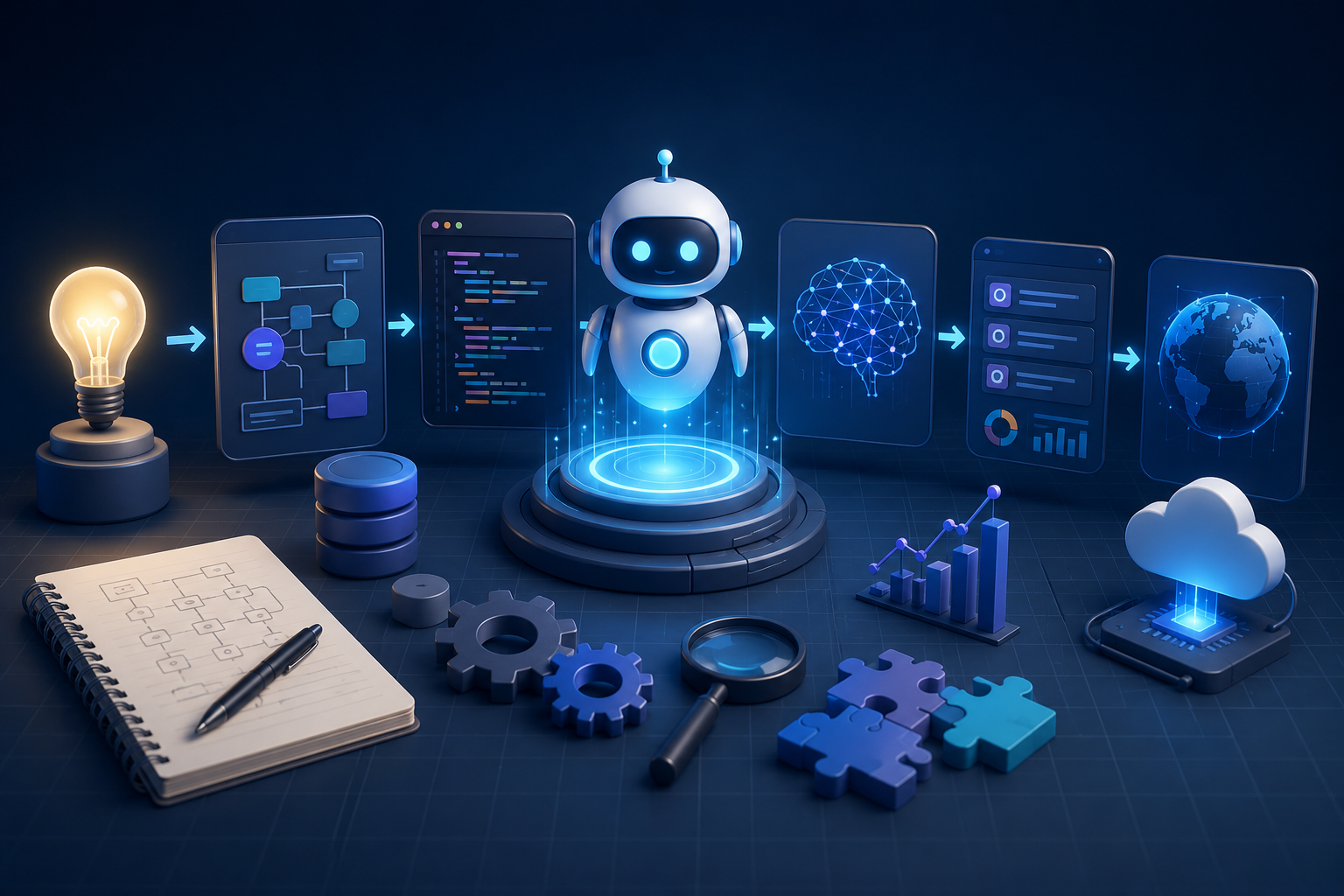
The essence of ECC is simple but deeply impactful: instead of treating Claude as a single assistant that answers questions, the project reshapes it into a complete, organized development team. A team that knows how to plan, design architecture, write tests, review code, and deploy — all within a single coherent system. Affaan's tool was not raw Claude Code, but Claude Code with a complete "operating system" layered on top, made of specialized agents, reusable skills, persistent memory, and slash commands for every recurring task.
The System's Core Components
ECC is built on several core concepts that integrate to form this "team." The first is specialized agents, which act as team members, each assigned a specific role like planning, research, or security review. The second is skills, which are Markdown files that give Claude specialized knowledge of a particular workflow, invoked when needed. The third is persistent memory that preserves context across sessions, so Claude does not start from scratch each time.
Added to these are slash commands for executing recurring tasks with a single keystroke, hooks that allow automatic actions to run on certain events, and rules for controlling token consumption to reduce cost without sacrificing quality. The repository grew to include dozens of ready-to-use skills, agents, and commands.
The Real Secret: Ten Months of Daily Refinement
What is striking is that this system was not built on the hackathon night, but was the product of more than ten months of daily use and refinement, packaged into production-ready configurations. This is a crucial point many miss when dazzled by "eight hours": the rapid achievement at the hackathon was not momentary magic, but the fruit of a long investment in building and refining tools before the decisive moment came. Affaan himself says he does not theorize, but documents what actually survived the pressure of a hackathon and months of real work.
Why Does This Matter to You as a Developer?
The practical lesson from ECC goes beyond admiring the story. It reveals a shift in how to work with AI coding tools: from "ask and get an answer" to "engineering a system." The developer who invests time in building their own agents, skills, and memory builds productive capital that accumulates over time, instead of starting each project from scratch. And the fact that the project is open source means you can build on ready, tested work rather than reinventing the wheel.
That said, it is worth noting that copying ready-made configurations without understanding them may harm more than help; the real value is not in downloading the repository, but in understanding the principles behind it and adapting them to your own workflow. Managing token consumption also remains an important practical consideration, as such systems can be costly if not carefully tuned.
Conclusion
Affaan Mustafa's story is not just a tale of winning a hackathon, but a living example of a new development philosophy: treating AI not as a single tool, but as a team you orchestrate. And the Everything Claude Code project, by being open to all, transforms this philosophy from a personal secret into a shared resource that any developer can learn from and build upon. The deeper lesson is that extraordinary productivity is rarely momentary; it is usually a patient investment in tools that pays off all at once when the right moment arrives.
Was this article helpful?
Newsletter
Enjoyed this?
Subscribe and get every new article and news post straight to your inbox.